Posts

Blog Training Ryedale Folk Museum
Image
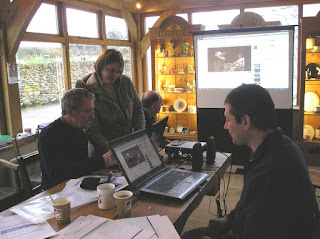
Purpose of BLOG TRAINING is to give volunteers guidance on creating blogs that will explain to people using the internet the variety of work that the volunteers are carrying out at the Museum. On Thursday, 26 November, in Fat Betty's (warm seating area) John, Peter, and Albert enjoyed a day's tuition on blogging from Carrie and Jonathan. The training was one-to-one and enabled the trainees to create and post RFM blogs. The trainees found blogging interesting and they hope to update and add to their blogs so that the progress of the on-going work at the Museum can be recorded, monitored and given wider publicity. Watch this blog! AE

D.I.Y. Wheelwright

Image
Our Marshall Threshing machine, similar to the one seen in the Tess of the D’Urbervilles film, had rotted wheels. It has been limping along for demonstration days on modified Land Rover wheels but Traditional wooded wheels were needed. Armed with texts from the museum library, Albert and Peter set about building replacements using traditional materials and techniques. The Wheelwright shop at the museum provided original tools which we supplemented with a modern lathe, band-saw and planer. Traditional Timbers were selected , Oak spokes, Ash felloes. The original hubs, cast iron (Artillery hubs) were retained . Crucial to the success, was drawing the wheel, full size on a plywood base. We built the wheel on to this, checking angles and sizes as we worked. When the wooden wheel was completed Steve measured it’s circumference calculated the size for the steel tyre to allow for contraction after heating to fit. He cut and welded the original tyre to fit each wheel. The tyres are heated to b...

Wheelwrighting

Image
The Museum has a c. 1870s Marshall thresher dating from the second half of the 19th century. The thresher is used once a year Its wooden wheels are absolutely rotten and can not be renovated. We are attempting to make new wheels to the old pattern. We have recovered the tyres and metal stocks from the old wheels and these will be used built into the new wheels. The spokes are oak (x12 per wheel - for strength and load bearing) and the felloes (pronounced 'fellies') are made of ash (the six outer sections of the wheel - ash for springiness and resilience). If the stock (centre hub) was to be in wood, this would be made from elm because of its curly grain to give strength and resistance to splitting. We have cast metal or 'military' stocks or naves. The finished wheels will be hooped with metal tyres or 'hoops' that will be fitted 'hot' and allowed to shrink or 'nip' on to the felloes. The wheel will then be painted. Albert Elliot

Museum Christmas Weekend!

Image
Come along to the Museum's Christmas weekend celebration! Loads of festive fun and activities. Craft, Cooking, Raffles, Tombola (everyone loves a tombola!!) and lots more. There's even a medieval Christmas re-enactment. Most important of all it is FREE ENTRY!

The Big Draw

During October half term, local artist Sally came into the museum to work with visitors to create their own pieces of art. These fantastic works were then on display in the Manor House until this week. Have a look at the photos below to see the fantastic creations. Carrie

Pigs & Hens

Pigs and hens at the museum are thriving, depite it being November Jonathan S

The Great War

Image
Armistice Day and Remembrance Sunday will soon be here again, when we all remember those who gave their lives so that others could live. Looking through the collection Barry found a few photographs which most people will not have seen before. They are of Bamletts of Thirsk, which made agricultural implements and machinery. These pictures show the metal posts used for erecting barbed wire fencing in trench warfare. The workers, of course, are all ladies, the men who usually worked there being in the forces. On Thursday 12th November the museum is organising a play with local schoolchildren a the village hall in Hutton-le-Hole called 'Standing in Line' based on the Great War.